Comparison Overview
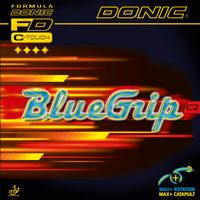
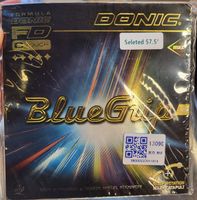
Donic BlueGrip C2 and BlueGrip D1 are both modern hybrid table tennis rubbers designed to bridge the gap between traditional tacky Chinese rubbers and dynamic European tensor sheets. BlueGrip C2 stands out with its exceptionally hard sponge and noticeably heavy weight, requiring strong physical engagement and precise technique from the player.
Playing Characteristics & Feel
BlueGrip C2 combines a very hard, dense sponge with a comparatively softer topsheet, resulting in a unique tactile feedback. It offers great grip and high spin generation without relying on extreme catapult effects, resulting in a linear and controllable response during short pushes and passive blocks. The heavy sponge absorbs incoming energy effectively on passive strokes, yet unleashes solid power when driven by an aggressive, fast swing. It is particularly at ease on backhand blocks, service returns, and controlled topspin rallies, though it demands physical effort from the player to generate high speeds.
Strengths & Weaknesses
Donic BlueGrip C2 Pros:
- Exceptional control on short balls, service returns, and passive blocks
- High spin ceiling with reliable grip
- Solid durability and pairability with carbon blades
Donic BlueGrip C2 Cons:
- Heavy overall weight that can fatigue the wrist and arm
- Demands a lot of getting used to and strong physical engagement
- Lacks raw speed for players looking for effortless power
Who Should
Choose Which (Recommendations)
Choose the Donic BlueGrip C2 if you are an aggressive attacker with strong arm technique who prioritizes precise blocking, short touch control, and heavy spin over effortless speed. It pairs exceptionally well with stiff carbon blades and suits players who prefer a heavy, demanding rubber that rewards clean mechanics.
Choose the Donic BlueGrip D1 if you want an alternative hybrid performance profile that may offer different weight and dynamic trade-offs.